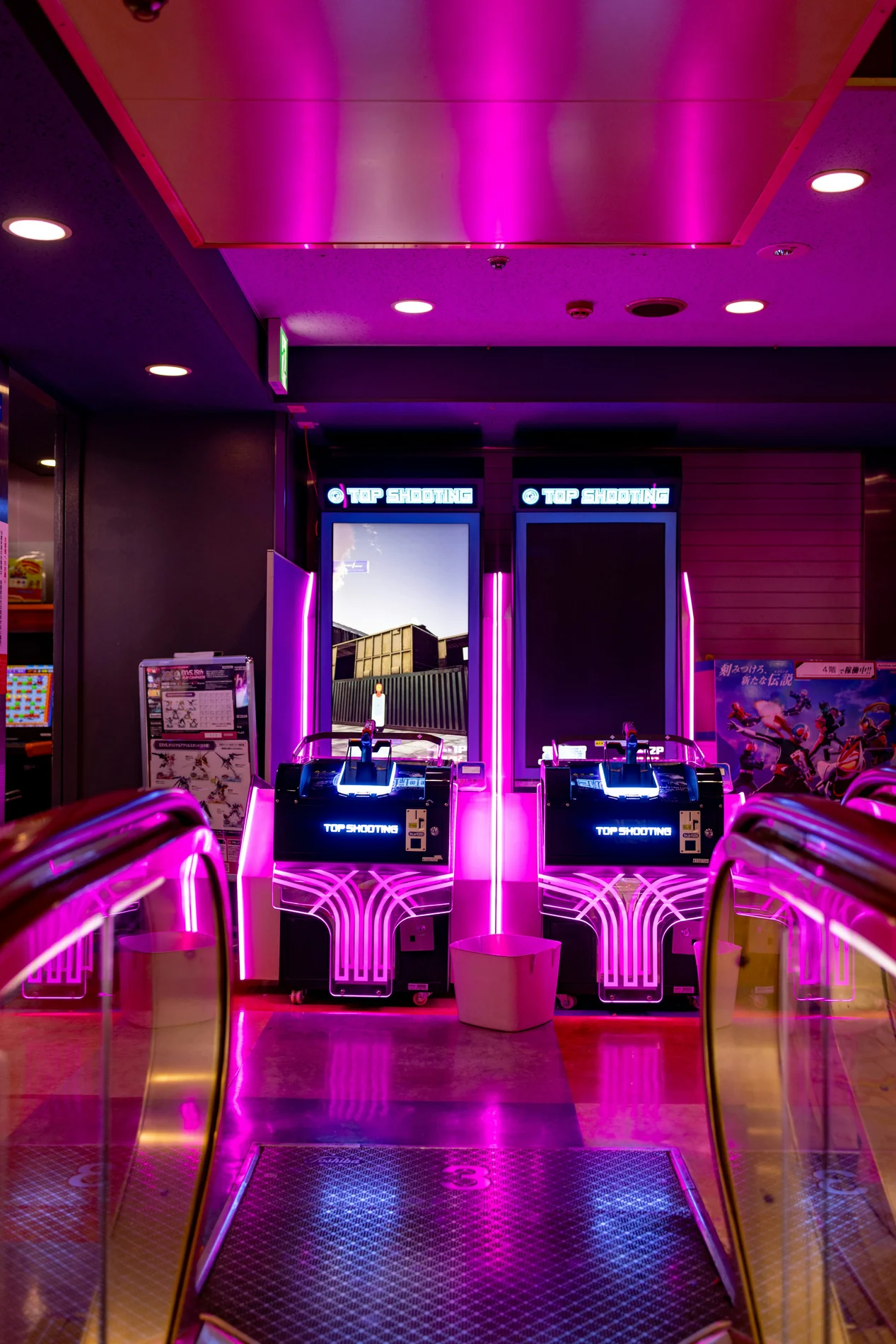

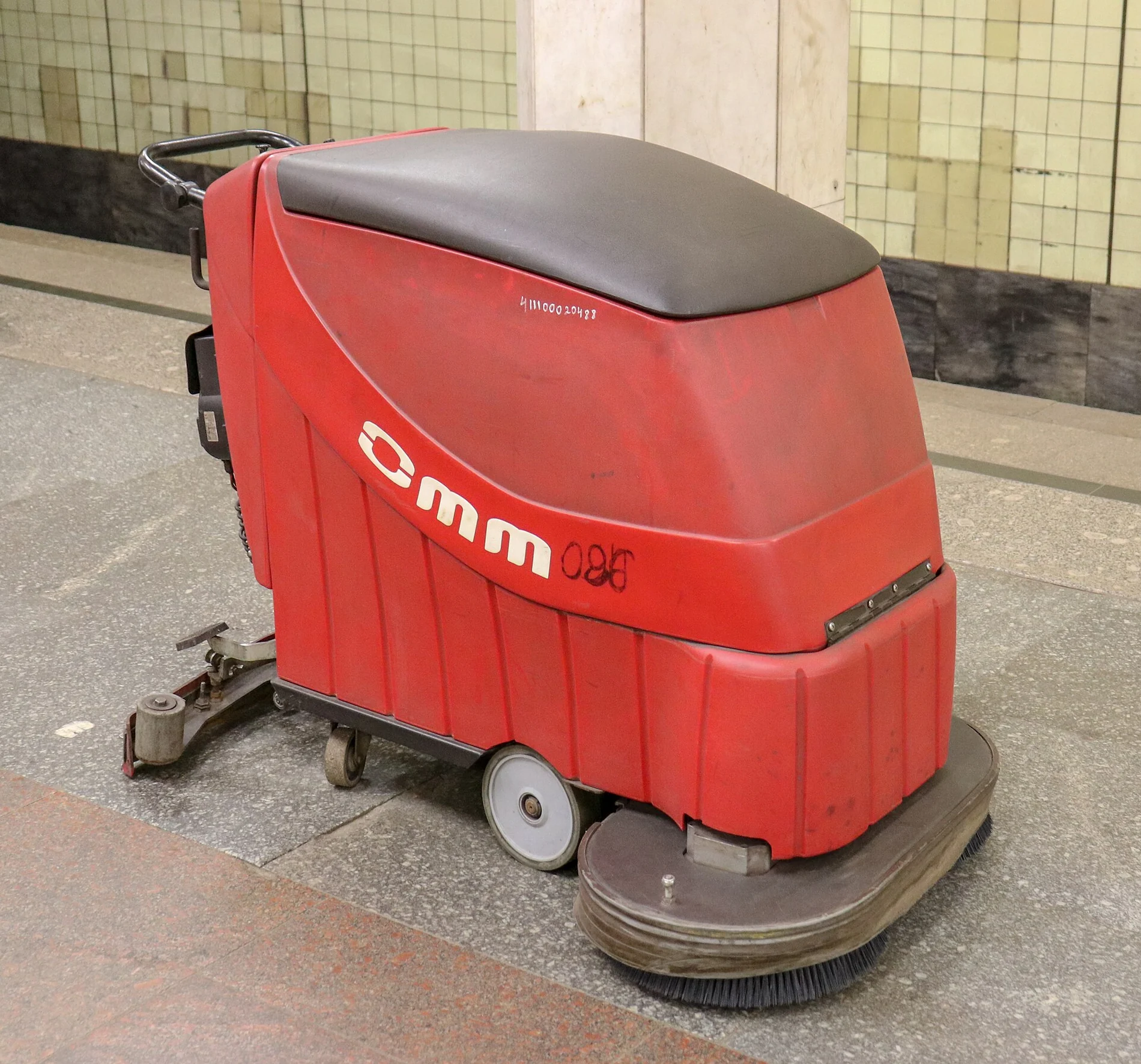
A floor-cleaning robot does not arrive with a finished operating model. It needs a place to dock, a map that reflects the building as it is used, a route that respects people and temporary obstacles, and a team that knows what to do when the plan meets reality. Gausium describes deployment in those terms, from docking and mapping through trial runs and staff training. Its article also says the time needed varies with site conditions, a useful qualification for any operator assessing a new machine.[1]
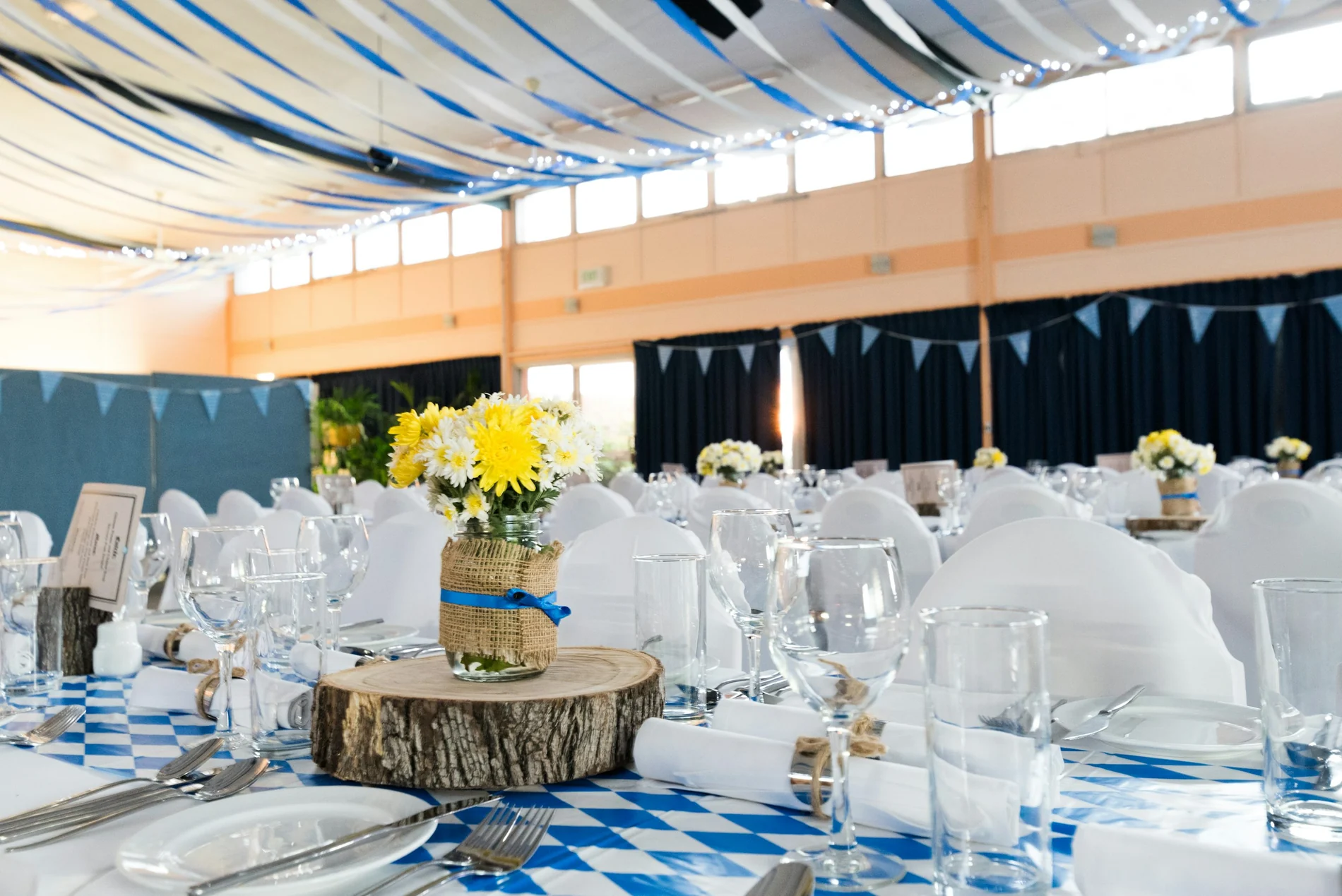
That makes the first survey more important than the showroom demonstration. In a hospitality venue, the cleanest route on a drawing may cross a breakfast service, a queue or a delivery window. In a workplace, desks move and meeting rooms change use. In an event space, the floor plan can be rewritten overnight. The machine should be judged against those changes, rather than against an empty floor at handover.
Mapping is a working decision
Gausium says its Smart Deployment process lets site staff build a map with assisted pushing, while the robot identifies features such as carpets, glass, escalators and temporary obstacles. The company reports a demonstration in which its Mira robot went from mapping to a first task in about 20 minutes across a 3,000 m² supermarket. That is a manufacturer demonstration, not a universal deployment time. The same source advises operators to test a real layout change before going live.[1]
For a site team, the practical question is therefore: who owns the map? Give one named person responsibility for checking no-go areas, route coverage and changes in access. Keep the map current when a bar, gallery, office floor or exhibition hall changes shape. A route that was safe last week can become unsuitable when furniture, stock or temporary structures move.
Exceptions are part of the job
BICSc’s 13 October conference listing places robotics and digitalisation alongside the practical question of why adoption is inconsistent. Its published session description points to the need for technology, people and processes to align in everyday work, rather than treating equipment as a separate project.[2]
European Cleaning Journal makes a similar point from the supervisor’s perspective. It describes a shift from driving a scrubber to planning routes, checking coverage reports, clearing errors and deciding when to intervene. Its argument is that the work moves towards judgement. A green dashboard is a prompt for a check, not proof that every corner is clean.[3]
Before the first live shift, agree four simple controls:
- Which alerts require an immediate pause, and which can wait for the next inspection.
- Who checks areas the machine cannot reach, including edges, stairs, congested points and spillages.
- How an operator records a blocked route, an incomplete task or a repeated intervention.
- When the team reviews the map after a fit-out, event build, stock change or furniture move.
Maintenance is part of the deployment
Gausium includes emptying, consumables and responses to alerts in the training that follows installation. That is a reminder that autonomy does not remove routine care. A site should assign checks for brushes, squeegees, tanks, charging and error history, then define who can return the machine to service. If those tasks are invisible, the first missed clean may be blamed on navigation when the cause is a full tank, a worn component or an unanswered alert.[1]
The right operating model will usually combine machine time with human work. LECS’s service scope covers daily commercial cleaning, event cleaning before, during and after an event, live venue and washroom attendants, specialist cleaning and builders cleaning. For an operator, robotics can be assessed for repeatable floor areas while people retain responsibility for exceptions, touchpoints, guest-facing spaces and work that needs specialist judgement. That division should be agreed in the method statement, not inferred from a software screen.
On a live shift, the test is whether a trained team can explain what the robot does, what it cannot do and what happens after an alert. If that answer is clear, mapping becomes an operating discipline rather than a one-off setup task. The technology then has a defined place in the service, with people accountable for the floor visitors, staff and clients actually experience.
Sources & further reading
Original reporting and guidance behind this article. Source dates below refer to the original publications.
- Which Commercial Cleaning Robots Are Easiest to Deploy, and What to Watch ForGausium · 8 October 2026 · Manufacturer article
- BICSc Cleaning Conference 2026BICSc · 13 October 2026 · Industry association event listing
- Robots changed the cleaning job. Who rewrote it?European Cleaning Journal · 27 October 2026 · Sector press analysis